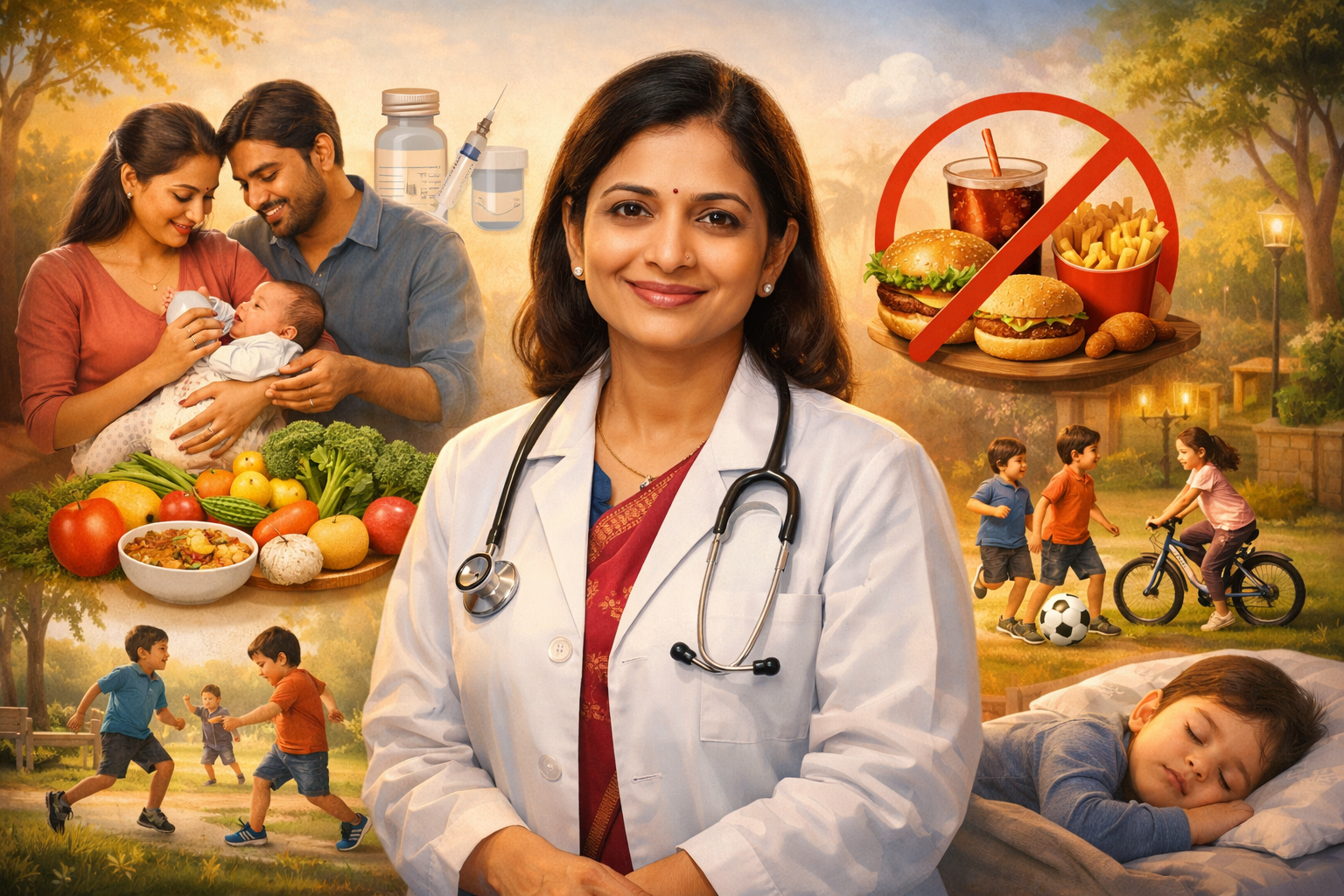
The Modern Guardian: Bridging Medical Science and Traditional Intuition in Childcare
The arrival of a newborn marks a profound metamorphosis that extends far beyond the crib; it is the “new birth” of a family collective, where parents and grandparents alike find themselves suddenly cast as stewards of a fragile, burgeoning life. In these initial, often overwhelming weeks, the strategic importance of understanding infant physiology cannot be overstated, as empirical knowledge serves as the primary sedative for the paralyzing anxiety that shadows new parenthood. Much of this distress centers on the persistent myth of “insufficient milk,” a misconception that frequently undermines maternal mental health and sabotages long-term lactation. In reality, a newborn’s stomach capacity is a mere five to seven milliliters, meaning the biological requirement is modest but relentless in its frequency. By adhering to the natural demand-supply cycle—where the act of nursing triggers the hormonal precursors for future production—families can insulate themselves from the external pressures to introduce formula prematurely. Recognizing that a baby waking frequently to feed is a sign of a robust biological rhythm, rather than a failure of nourishment, is the first step in reclaiming the narrative of childcare from panic and returning it to the steady hands of science.
As families navigate this vulnerable period, they inevitably encounter a legacy of traditional interventions that, while rooted in affection, pose significant risks to a child’s immature physiological systems. Practices such as using wheat flour dough to aggressively rub away neonatal body hair or applying kajal to the eyes persist under the guise of heritage, yet the clinical reality is often one of severe skin rashes, chemical irritation, or permanent damage to the tear ducts. Perhaps most harrowing is the tradition of placing mustard oil in a child’s ears to ward off illness; this can lead to chemical pneumonitis, a life-threatening condition where the oil enters the respiratory tract and may necessitate ventilator support. Even the seemingly innocuous “Ghutti,” an herbal paste ground on a stone, carries invisible perils. The habitual reuse of the same almond or stone breeds fungal colonies that are often mistaken for “teething trouble” but are, in fact, symptomatic of oral thrush or systemic infection. The strategic imperative here is a fundamental recalibration of domestic habits: a medical examination must always precede the application of heritage-based remedies, acknowledging that the infant’s body is a delicate canvas where a single traditional misstep can have catastrophic clinical consequences.
This shift from superstition to science is nowhere more triumphant than in the narrative of immunization, a data-driven victory of modern public health over historical fate. To appreciate the strategic importance of vaccines is to confront the harrowing mortality figures of India’s past; in 1921, the infant mortality rate stood at 126 per 1,000, while under-five mortality was a staggering 230 per 1,000. By 2023, these figures plummeted to 24 and 28, respectively—a testament to what can be achieved when medicine replaces mysticism. This transition is an earned blessing, yet it requires parents to navigate modern nuances, such as the choice between government-subsidized “painful” whole-cell vaccines and private, “painless” acellular versions. While the latter utilizes advanced technology to minimize post-injection fever, both are essential bulwarks against the return of medieval plagues. Ensuring every child is vaccinated is not merely an act of parental duty but a strategic contribution to the nation’s collective immunity and long-term stability, protecting the progress of a century from the erosion of complacency.
While we have successfully insulated the modern infant from the pathogens of the past, we have simultaneously exposed them to a newer, more insidious form of metabolic vulnerability. There exists a persistent myth that a “chubby” baby is the only healthy baby—a misconception that is architecting a looming national crisis. We are witnessing a nutritional paradox: the chubby infant, once a symbol of prosperity, has become a harbinger of a metabolic malaise. A fundamental recalibration is required, specifically the rejection of “empty calories” found in sugar, jaggery, and honey before the age of two. With projections suggesting that nearly 450 million Indians could face obesity-related health challenges by 2050, the importance of early nutritional discipline is paramount. Parents must prioritize lean health over aesthetic chubbiness, recognizing that nature provides its own seasonal defenses. Mangoes in the summer offer essential hydration and antioxidants, while winter’s amla provides a concentrated burst of Vitamin C; these seasonal fruits provide a biological defense system that processed “tonics” and expensive industrial supplements simply cannot replicate.
The nutritional landscape is further complicated by the cognitive environment in which the act of eating occurs. The rise of “distracted eating”—the habit of utilizing a screen as a digital pacifier to ensure a child finishes a meal—is a direct threat to neurodevelopment. True health requires mindful eating, an engagement with the taste, texture, and color of food that allows the brain to signal satiety and properly regulate digestion. In contrast, the artificial blue glow of a screen disrupts the development of the prefrontal cortex, the seat of self-control, logic, and emotional regulation. The clinical consensus is unyielding: zero screen time for children under two, and a strict sixty-minute limit of purely educational content thereafter. Beyond the neurological impact, a reliance on digital distraction weakens the essential parent-child bond, replacing the security of human interaction with an algorithm and stifling a child’s nascent ability to process their own emotions and surroundings.
Ultimately, the blueprint for a robust upbringing rests on the synergy of sleep, physical exertion, and parental role-modeling. A child requires nine to twelve hours of restorative sleep and at least sixty minutes of vigorous outdoor play daily to support a brain that is firing at the astonishing rate of 700 new neural connections every second. In our current age of “over-scheduling,” where every waking hour is colonized by classes and tutors, we risk suffocating the very creativity and emotional resilience we hope to foster. Parents must recognize that their most powerful pedagogical tool is not the class they sign their child up for, but their own behavior. If a guardian is constantly tethered to a smartphone, the child will inevitably mimic that digital dependency, fracturing the emotional security required for healthy growth. By stepping away from the screen and embracing the restorative power of play and science-backed guidance, today’s parents do more than just raise an individual. They are architecting the health, personality, and cognitive potential of the next generation, ensuring that the citizens of the future are built on a foundation of mindful care rather than a legacy of distracted convenience.